
The War on Public Health: Norovirus and Cyclospora are warning signs

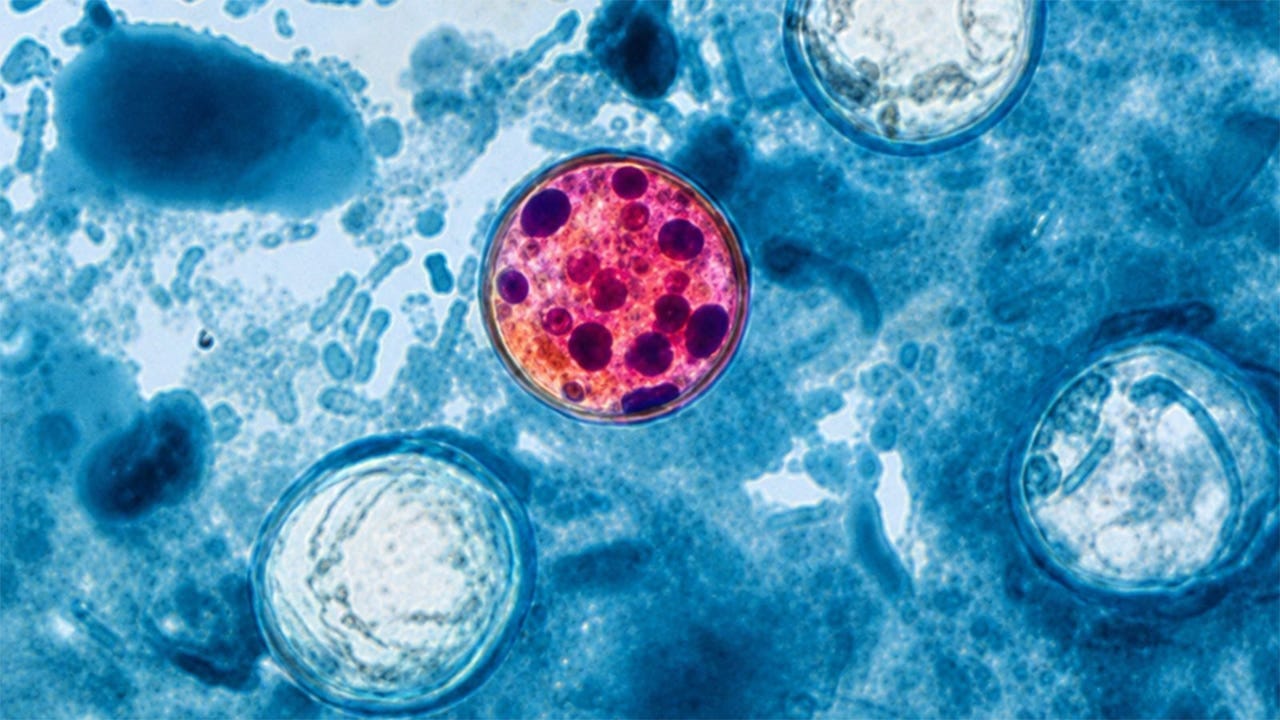
Norovirus is sweeping through cruise ships. Cyclospora is spreading through the nation’s food supply.
At the very moment these diseases are making headlines, the federal government weakened several of the public-health programs created to detect, investigate and contain exactly these kinds of outbreaks.
I know how important those systems are because I’ve built one.
Before I became known as the Florida COVID-19 whistleblower, I was the scientist who built and managed Florida’s public-facing COVID-19 dashboard and data surveillance systems. My job wasn’t simply to publish numbers. It was to provide an accurate, real-time picture of an evolving outbreak so physicians, researchers, local governments, and families could make informed decisions.
That experience taught me lessons I’ll never forget, including: You cannot control an outbreak you refuse to accurately monitor.
Disease surveillance isn’t bureaucracy. It’s infrastructure. It tells us what pathogens are circulating, where they’re spreading, and whether a handful of isolated illnesses are actually the beginning of something much larger.
Most Americans never think about these systems until they begin disappearing.
This summer, the CDC has documented multiple norovirus outbreaks aboard cruise ships, including outbreaks affecting the Ruby Princess and Caribbean Princess. Cruise ships have long been vulnerable because thousands of passengers share dining rooms, living quarters, and ventilation systems, allowing gastrointestinal viruses to spread quickly. The CDC’s Vessel Sanitation Program was created to inspect ships, investigate outbreaks, and help prevent illnesses before they spread.
In 2025, however, the Trump administration eliminated the program’s entire civilian workforce, leaving many former CDC officials worried that inspections and outbreak investigations will become more difficult.
Erik Svendsen, the former CDC official who oversaw the Vessel Sanitation Program, warned that commissioned officers would be left without the civilian experts who made the program function.
“None of the civilian staff are there to support them. So I don’t know how long they will be able to sustain their mission alone without any support.”
The layoffs did not create norovirus.
But norovirus outbreaks are precisely why the program existed.
The same pattern is unfolding on land.
The CDC is investigating a large multistate Cyclospora outbreak. Health officials say the number of confirmed illnesses continues to grow, while investigators work to identify the contaminated food source.
Identifying that source requires extensive interviews with patients, laboratory testing, and coordinated surveillance between local, state and federal agencies.
That’s exactly the type of work FoodNet was built to support.
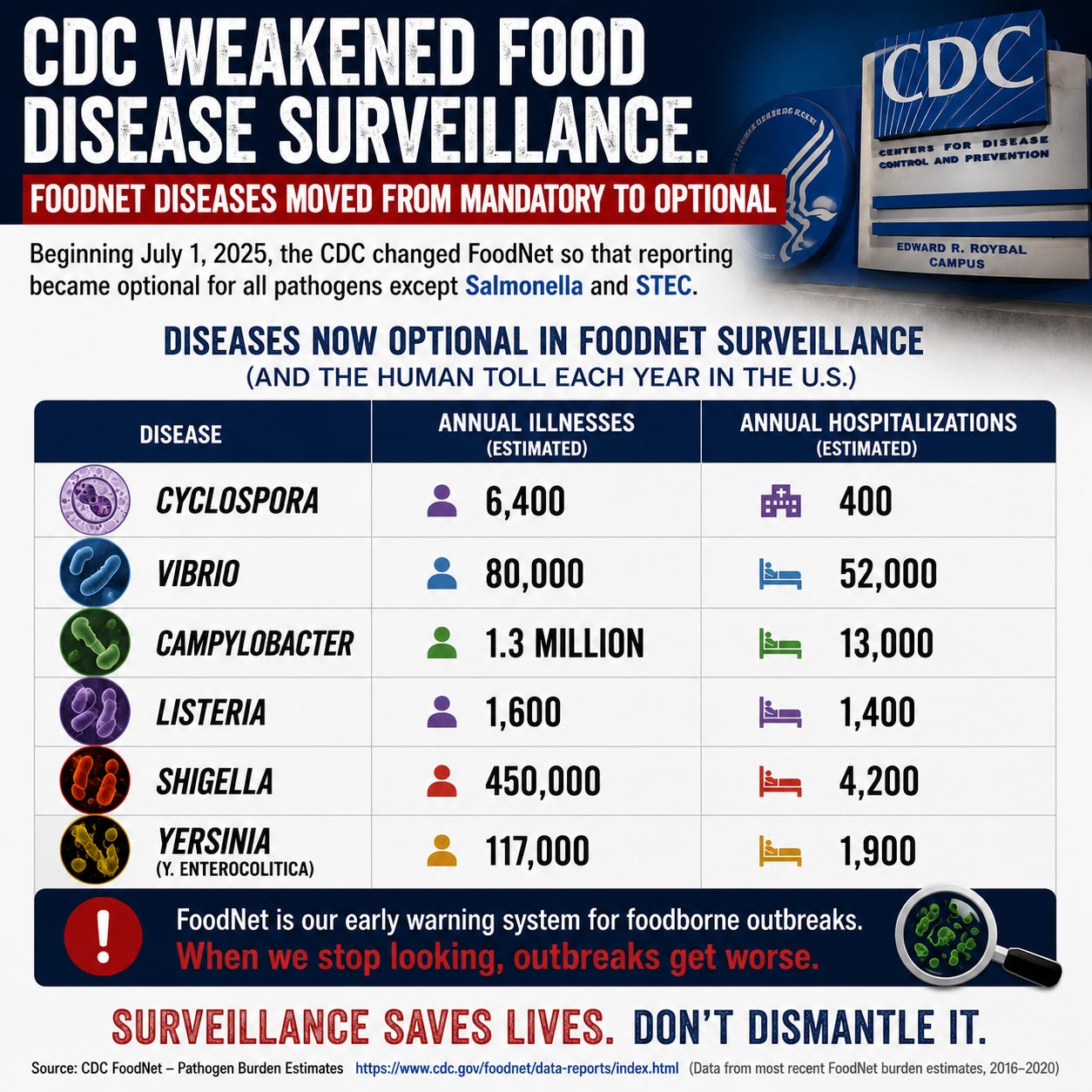
Yet beginning in 2025, the CDC made reporting optional for several pathogens within FoodNet, including Cyclospora, Vibrio, Campylobacter, Listeria, Shigella and Yersinia, leaving only Salmonella and Shiga toxin-producing E. coli under mandatory national reporting
Carlota Medus, who leads foodborne disease surveillance for the Minnesota Department of Health, warned that weakening FoodNet will have long-term consequences.
“Long term, it will affect our ability to use surveillance data to better understand risks in the food supply.”
She also emphasized that FoodNet “doesn’t just count cases,” it also provides the detailed surveillance information scientists rely upon to understand how foodborne illnesses spread and how they can be prevented.
Perhaps no change concerns me more than Vibrio surveillance.
Most Americans know Vibrio vulnificus as the “flesh-eating bacteria.”
The CDC estimates that Vibrio causes roughly 80,000 illnesses in the United States every year. Vibrio vulnificus infections are among the deadliest foodborne illnesses, with a hospitalization rate of 83% and fatality rate of 23%.
And climate change is making vibrio cases surge, even in places where Vibrio cases have rarely, if ever, occurred.
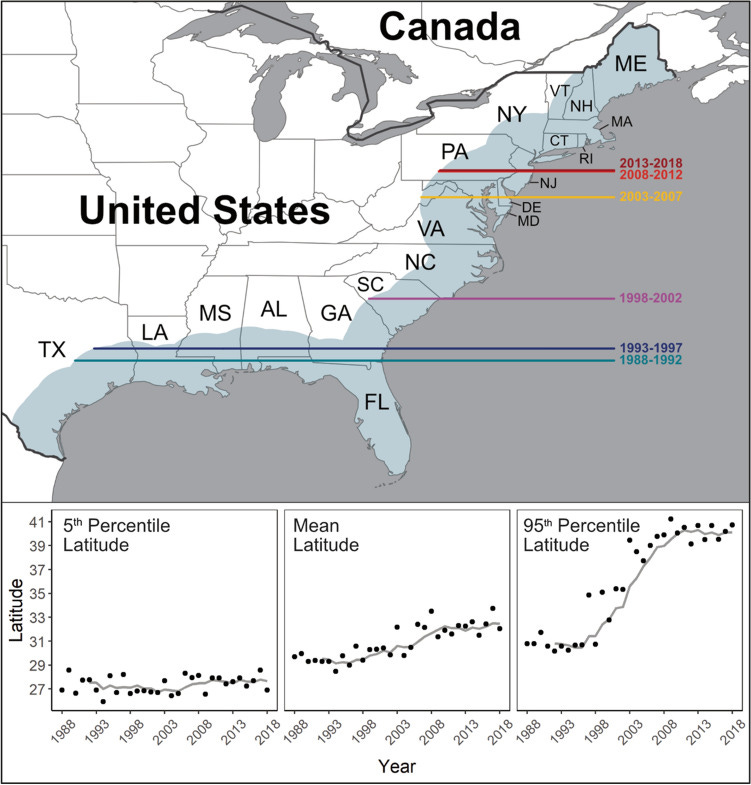
The CDC reported that Vibrio vulnificus infections in the eastern United States increased eightfold between 1988 and 2018, with the bacterium's northern geographic range expanding by approximately 48 kilometers (30 miles) per year as coastal waters warm.
The administration has also reduced parts of the nation’s laboratory capacity dedicated to tracking dangerous pathogens, including antibiotic-resistant organisms and foodborne diseases. Those laboratories do far more than count cases; they identify new strains, connect outbreaks occurring hundreds of miles apart, guide physicians toward effective treatments, and provide early warning before dangerous organisms become widespread.
Last year, the Trump administration completely eliminated labs tracking STIs — including Hepatitis and. antibiotic-resistant gonorrhea
Public-health surveillance exists because previous outbreaks taught us painful lessons.
FoodNet was created after repeated foodborne outbreaks demonstrated that passive reporting wasn’t enough.
The Vessel Sanitation Program grew out of decades of experience responding to illnesses aboard cruise ships.
Laboratory surveillance networks expanded because physicians needed earlier warning before dangerous pathogens spread through hospitals and communities.
COVID-19 should have reinforced those lessons more powerfully than any event in modern American history — less than a year after the first Trump administration eliminated the pandemic early-warning program.
Instead, after more than 1.25 million Americans died during the pandemic, we are weakening the very systems designed to give us advance warning of the next public-health threat.
Public-health surveillance doesn’t prevent every outbreak.
But it buys us something priceless.
Time to detect.
Time to investigate.
Time to warn.
Time to save lives.
By the time emergency rooms recognize something unusual is happening, we’ve already lost our greatest advantage.
The first warning should come from a laboratory, an inspector, or an epidemiologist.
Not from a crowded emergency room.
This is the kind of reporting I was born to do.
Before I exposed Florida’s COVID-19 data manipulation, I built the state’s public-facing pandemic dashboard and spent my career turning complex scientific data into information people could actually use. Today, I bring that same expertise to investigating the growing threats facing our democracy, climate, and public health.
Just facts, data, and evidence with no filter.
If you value evidence-based, independent journalism that follows the data wherever it leads, consider becoming a paid subscriber. Your support makes investigations like this possible.