The Climate of "Sinners"
With the world feeling like it’s running a perpetual fever — wars, genocides, fascist drumbeats, the whole dizzying mess — I figured we could all use a breather. So instead of adding to the pile of existential dread, let’s take a gentler detour and sift through the portrayal of climate in one of this year’s biggest pop-culture hits. If we’re going to reckon with the planet’s unraveling, we might as well have a little fun talking about historical dramas and the cues they missed.
Sinners
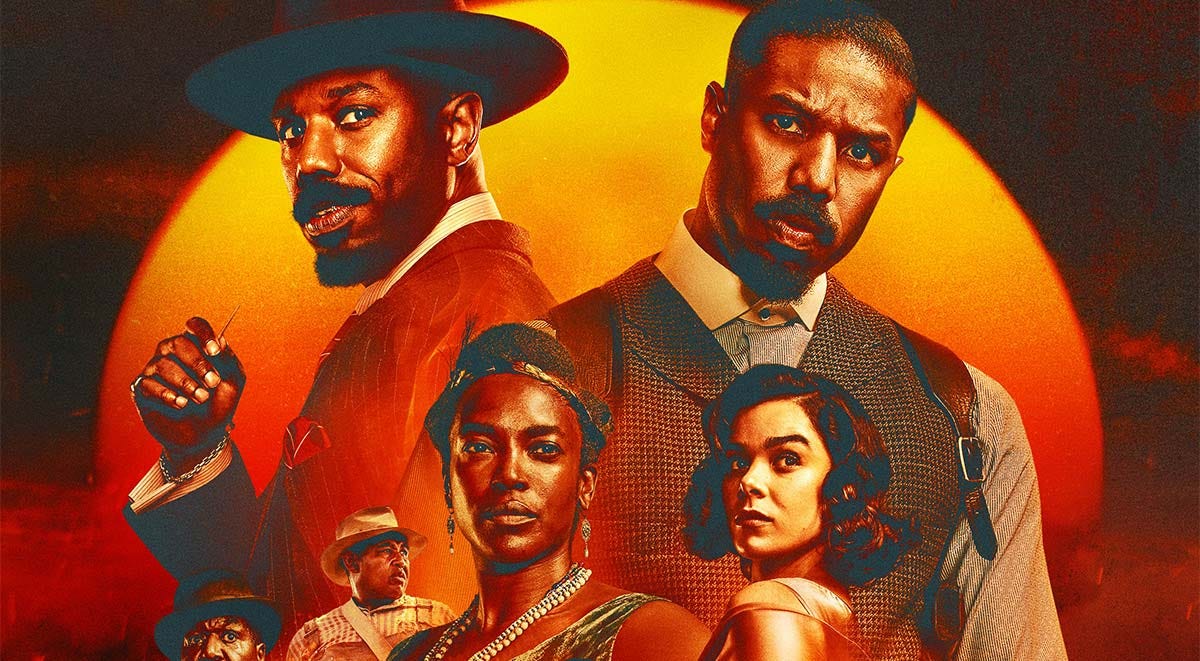
Sinners is a hell of a film — and absolutely worth your time. Ryan Coogler and his team did their homework, stitching in historical context so deftly you barely notice the seams. They even thread global events into the narrative without spoon-feeding you (there’s a whole subplot involving an Irish vampire and the Choctaw he seeks refuge with that works because the filmmakers assume, correctly, that history still matters).
But there’s one thing the movie absolutely whiffs on, and once you see it, you can’t unsee it.
The film is set in Clarksdale, Mississippi — deep Delta country — and from the opening frame everyone looks like they’re trapped inside a heat dome. Sweat-drenched, fanning themselves, the women in thin cotton dresses with no sleeves, everyone glistening like they’ve just sprinted across a parking lot in August. The film wants you to believe the air is thick enough to drink.
There’s just one problem: the story takes place on the night of October 15, 1932.
And in October of 1932, Clarksdale wasn’t even remotely that hot.
The average high temperature that month was 63°F. By nightfall — when the film’s main events unfold — temperatures would have slid into the low 40s. A chill, not a swelter.
Coahoma County also sits just a couple counties west of the official Appalachian region — these are not steamy bayou nights; they’re crisp-air, jacket-weather nights.
Ryan Coolger wants us to believe this is attire a woman in 1932 would wear in 40 degree temps?
So why does the entire movie look like everyone’s melting? Why does Delta Slim come outside, fanning himself with his hat, saying it’s too hot inside? Why is everybody sweating?
For starters, Sinners wasn’t filmed in the Mississippi Delta.
Sinners was filmed April through July 2024 in Donaldsonville, Louisiana, well south of Baton Rouge — a region now cooking under climate-amplified heat waves. Because they filmed the movie about 350 miles south of where the film takes place, filmed in the in the summer, and thanks to global warming, filming temperatures ran more than 30 degrees hotter than the real historical setting.
It’s impossible to keep your cast from sweating in the Louisiana Bayou in the summer no matter how hard you try.
And the location mismatch introduces more than just sweat.

South Louisiana is famous for its sprawling live oaks — gorgeous, yes, but absolutely not native to northern Mississippi. Those great sweeping branches you see on screen? Completely wrong for the northern Mississippi Delta. Live oaks don’t grow in Clarksdale. They barely creep north of the Gulf waters.
American alligators are far less common that far north, as well, though they may have ended up working the alligators into the film simply because they could not avoid them on set.
And technically speaking, Donaldsonville isn’t Mississippi Delta - it’s on Bayou Lafourche. South Louisiana bayous are quite different ecologically and culturally from the Mississippi Delta.
To be fair, Coogler grew up in California, and to most people outside the South, the entire region is just one big hot, humid soup. But the ecological details matter — especially in a story rooted in time and place.
Some traditions are sacred — others, like Delta weather in October, apparently not.
For contrast, take Nickel Boys (2024), set near Tallahassee in the 1960s. It also filmed in Louisiana, but the production actually lucked into historical accuracy: the 1960s were a globally cooler decade thanks to multiple large volcanic eruptions and the unregulated blast furnace of mid-century industrial pollution, which pumped reflective aerosols into the atmosphere and temporarily dimmed the planet. The climate, in other words, matched the period.
And for a fun side note: Ryan Coogler has put Michael B. Jordan in every single one of his films except Black Panther II.


