
Global disaster briefs, May 5, 2026

Disaster Briefs are semi-regular summaries of natural and man-made disasters, climate change, public health, and global conflict. Data is retrieved, analyzed, and synthesized on the day of publication unless otherwise noted.
If you rely on clear, data-driven reporting that cuts through misinformation and noise, support independent journalism that prioritizes evidence over access.
Subscribe to Mesoscale News to keep this work going — and to make sure these briefings stay free and accessible to the public.
Natural and man-made disasters
Unusually severe spring weather across the central United States has intensified in recent days, including flooding and destructive hailstorms producing stones nearly five inches wide in Missouri.
At the same time, wildfire activity continues to expand early in the western U.S., with federal data showing elevated fire counts and acreage burned compared to seasonal norms.
Globally, climate monitoring continues to show sustained heat extremes, with Europe remaining the fastest-warming continent and experiencing ongoing marine heatwaves and wildfire risk.
The Pacific Ocean Basin’s early start to hurricane season hasn’t slowed down, with three systems currently forming. Atlantic hurricane season starts June 1.
Flooding Kills Dozens Across East Africa
Severe flooding continues across Kenya after weeks of heavy rainfall, with more than 100 people reported dead and tens of thousands displaced. Authorities have carried out forced evacuations in high-risk areas, including informal settlements along rivers in Nairobi.
Officials warn additional rainfall could worsen conditions, with humanitarian agencies scaling up emergency response efforts.
Wildfires Expand in Parts of Asia Amid Dry Conditions
Japan contained a massive wildfire after an 11-day battle, while South Korea assesses the toll of its wildfires which began in March.
Though Japan and South Korea are not traditionally associated with large wildfires, recent events reflect shifting risk patterns as changing climate conditions alter fuel moisture and fire behavior.
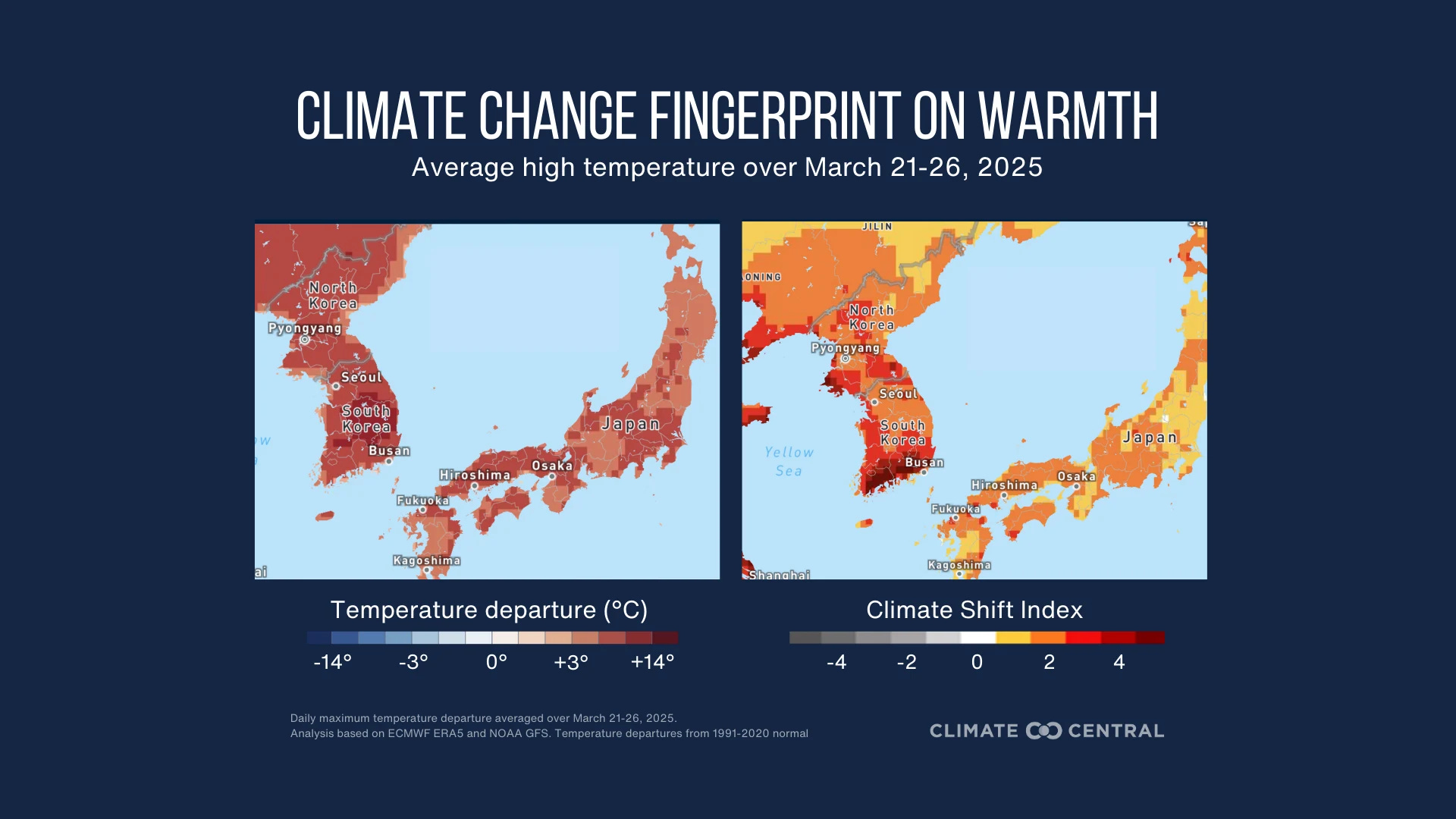
Experts warn that regions historically considered low-risk for wildfire are increasingly experiencing conditions conducive to rapid fire spread, while efforts are being made to prevent future catastrophes.
During the wildfires, temperatures in South Korea climbed 4.5°C to 10°C above the 1991-2020 average, while western Japan exceeded the average by as much as 7°C to 8.5°C.
Many of the people impacted by the fires in Japan settled in the area after their homes were destroyed in the 2011 tsunami.
Earlier today, a violent 7.5 magnitude earthquake struck the Sanriku coast near to the region impacted by the recent fires.
Strong Earthquake Strikes the Philippines
A magnitude 6.0 earthquake struck Eastern Samar on May 4, shaking buildings and damaging infrastructure across several municipalities.
Local officials reported injuries and structural damage to homes, government buildings, and water systems. While no large-scale casualties have been confirmed, the event disrupted essential services and triggered emergency inspections across the region.
The Philippines sits along the Pacific Ring of Fire, where tectonic activity regularly produces earthquakes capable of significant localized damage.
Public Health
Cholera
Cholera outbreaks remain elevated globally, with WHO reporting continued multi-country transmission driven by conflict, displacement, and limited access to clean water.
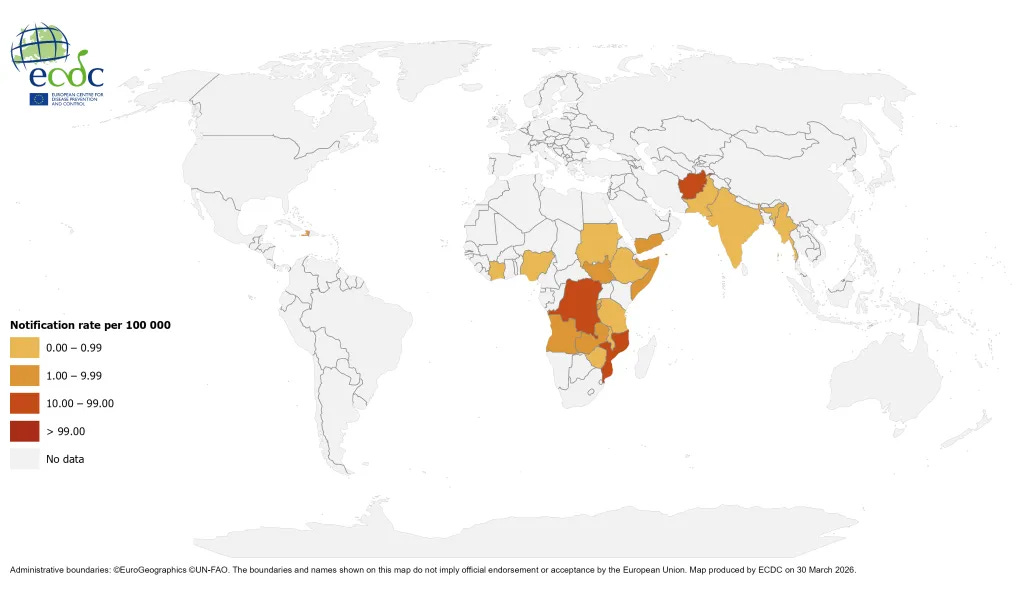
European health authorities also report thousands of new cases and hundreds of deaths globally since late February, underscoring the persistence of the outbreak. Afghanistan, Congo, Mozambique, South Sudan and Somalia reported the most cases last month, with Afghanistan nearly half (44%) of all new cases.
Rabies
Public health officials continue to raise alarms about declining rabies vaccination rates for American pets, and increasing outbreaks of rabies across the country.
Rabies vaccinations for pets are required in most US states. Since the mainstreaming of vaccine skepticism during the COVID-19 pandemic, however, more pet owners report not vaccinating their animals.
Globally, 55,000 people die from rabies each year. Symptomatic rabies is fatal in 100% of cases.
Unvaccinated dogs cause 99% of all human rabies cases each year. Children ages 5 - 14 make up 40% of all human cases. Most (95%) of cases today occur in Africa and Asia, and rabies is fatal in virtually100% of cases once symptoms occur.
Louis Pasteur created the first rabies vaccine in 1885, and the United States became the global gold standard in rabies prevention with the creation of the national rabies control program in 1946.
Before rabies was eradicated in domestic dogs, human rabies cases each year in the United States peaked above 10,000 annually, and deaths ranged from a few dozen to several hundred.
Today, there are fewer than 10 human deaths caused by rabies each year in the United States. Most of those come from wild animals.
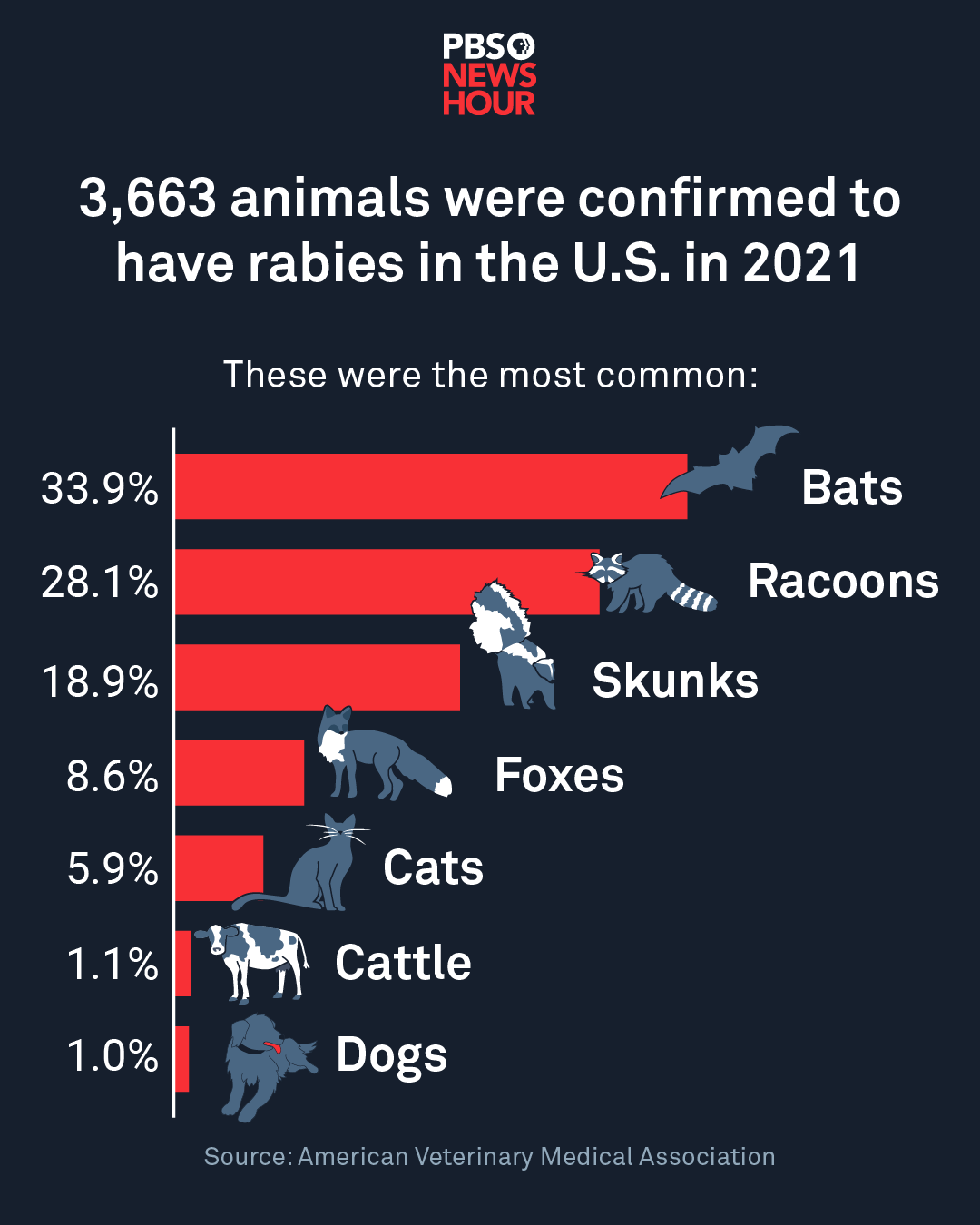
Misinformation about vaccine safety is undermining that success, and leading more infected people to reject life-saving treatment after infection.
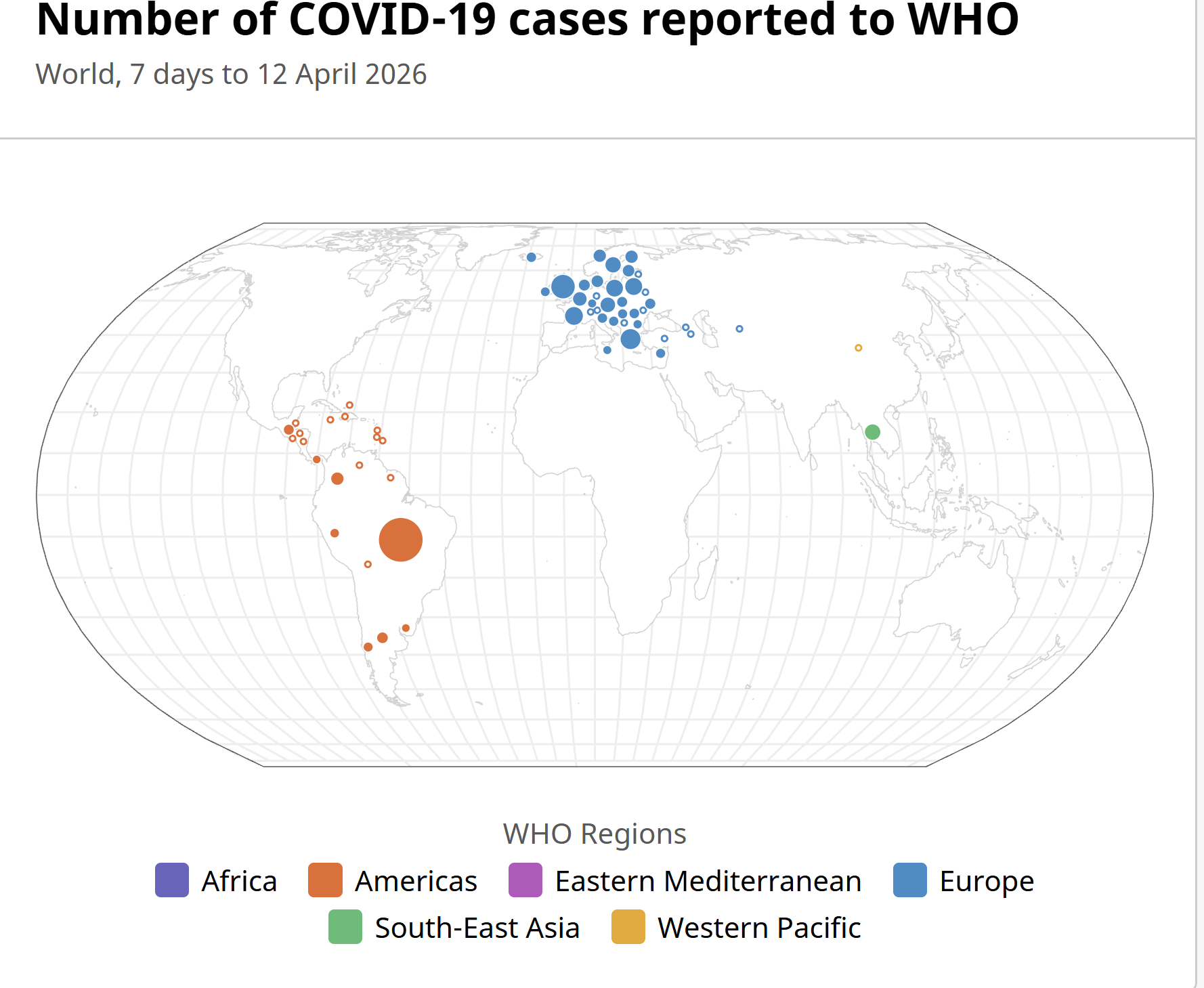
A note about COVID-19: With only Central America, South America, and Europe reporting COVID-19 data, our ability to report active cases and deaths, and by extension any meaningful analysis, remains extremely limited.
However, the United States still reports weekly and monthly COVID-19 deaths to the WHO. Last month, the United States reported 524 COVID-19 deaths, representing 80% of all global deaths.
Global Spotlight
Myanmar
Myanmar’s civil war continues to drive mass displacement, with millions of people internally displaced and thousands more fleeing across borders.
Civilian casualties continue to rise amid ongoing fighting between the military junta and resistance forces, fueled by foreign influence campaigns and weapons.
Sudan
Sudan’s civil war continues to push the country deeper into humanitarian collapse.
UN agencies warn that five million children in Darfur face extreme hunger and violence, with displacement now exceeding 8 million people and aid access increasingly constrained.
UNICEF reports that the organization has only met 16% of its goal for humanitarian funding for Sudan this year.
USA-Iran
The deadline requiring the US president seek congressional authorization under the War Powers Act passed May 1.
The Vietnam War-era law requires winding down the conflict after sixty days unless Congress declares war or authorizes the fighting. The White House did not request that approval, falsely claiming a temporary ceasefire “pauses the clock.”
The United States’ and Israel’s unprovoked campaign of terror against Iran began February 28.
This kind of reporting doesn’t come from press releases or cable news — it comes from time, data, and a commitment to telling the truth about what’s happening in the world, even when it’s inconvenient.
If you found this briefing useful, consider supporting the work behind it. Subscriptions fund continued coverage of climate risk, public health, and global conflict — and help ensure that critical information stays in the public domain.
Subscribe, share, and help keep Mesoscale News independent.